First-Time Real Estate Investor Checklist: What You Need Before Buying in DFW
First-time DFW investor? Here’s the 10-step checklist our Investor Advisors walk every client through before their first offer in 2026.
April 7, 2026
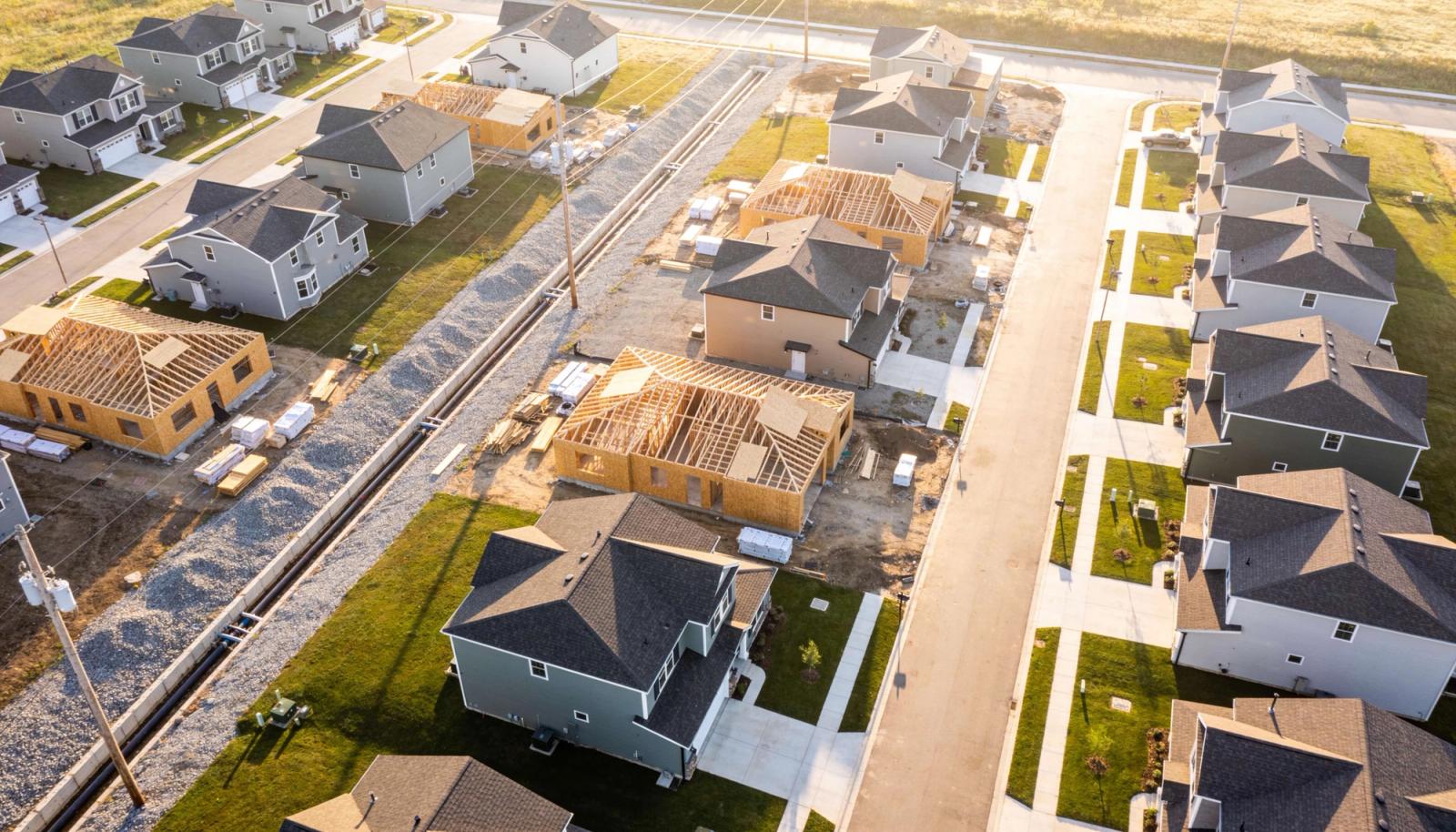
Dallas-Fort Worth remains one of the strongest real estate investment markets in the country heading in 2026. Population growth, corporate relocations, and relative affordability compared to coastal metros continue to drive demand. But elevated interest rates, rising insurance costs, and a more selective buyer’s market have changed the rules for first-time investors.
The opportunity is real — but so is the risk of making an expensive first mistake. Most aspiring investors don’t freeze because they lack ambition. They freeze because nobody gave them a clear, honest checklist of what it actually takes to go from “I want to invest” to “I just closed on my first property.”
This post walks you through the 10 things you need to have locked in before making your first offer on an investment property in DFW. It’s the same checklist our Investor Advisors at RFP Homes use with every new client — covering everything from financing prep to neighborhood research to building the right team around you.
Define Your Investment Strategy Before You Start Searching
Know Your “Why” and Write It Down
Are you investing for monthly cash flow? Long-term appreciation? Generational wealth? Replacing your 9-to-5 income? Your answer changes everything — the neighborhoods you target, the property type you buy, and the strategy you use.
A cash flow investor and an appreciation investor can look at the same property in the same zip code and reach completely opposite conclusions. One sentence defining your goal becomes the compass for every decision that follows.
Pick Your Strategy Before You Pick a Property
The biggest mistake first-time investors make is browsing listings before deciding on a strategy. Common approaches for DFW single-family investors include:
- Buy-and-hold — long-term rental income and appreciation
- BRRRR (Buy, Rehab, Rent, Refinance, Repeat) — forced equity and portfolio scaling
- House hacking — live in part of the property, rent the rest
- Fix-and-flip — short-term profit through renovation and resale
Each strategy has different property requirements, financial profiles, and risk levels. Know which lane you’re in before you start driving. Not sure which fits your situation? That’s exactly what an RFP Homes Investor Advisor helps you figure out before you waste time looking at the wrong deals.
Get Your Financing Ready Before You Make an Offer
Get Pre-Approved, Not Pre-Qualified
There’s a meaningful difference. Pre-qualification is a casual estimate. Pre-approval means a lender has reviewed your income, credit, and assets and is ready to back you with real numbers.
In a DFW market where well-priced investment deals still move fast, sellers and listing agents take pre-approved buyers more seriously. It also tells you exactly what you can afford, so you’re not wasting time analyzing properties outside your range.
Pro tip: Work with a lender who specializes in investment property loans. Owner-occupied and investor financing are two different worlds with different requirements, rates, and structures.
Know Your Credit Score and What It Means for Your Rate
Your credit score directly impacts your interest rate, and on an investment property, even a small rate difference swings monthly cash flow by hundreds of dollars. Most conventional investment property loans require a 680+ score, but 740+ is where you start accessing the best rates.
If you’re below those thresholds, it doesn’t mean you can’t invest. It means you need a plan — whether that’s improving your score over 60–90 days or exploring alternative loan products like DSCR or portfolio loans.
Have Your Down Payment and Reserves Ready
One of the most persistent myths in real estate investing is that you need 20% down. For some loan products that’s accurate, but options exist at 15% down and even less depending on your situation and property type.
What catches first-time investors off guard isn’t the down payment — it’s the reserves. Here’s what lenders typically expect:
- 3–6 months of mortgage payments in liquid reserves after closing
- A separate emergency fund for unexpected repairs and vacancy periods
- 10–15% of projected rental income budgeted for maintenance and capital expenses
Understand the Real Cost of Owning a Rental Property in DFW
This is where most online “cash flow calculators” fall apart. They show mortgage payment versus rent and call it a day. In Texas, the real math is more complex — and ignoring it is how first-time investors buy properties that quietly bleed money every month.
Here’s what your pro forma actually needs to account for:
- Mortgage payment (principal + interest)
- Property taxes — DFW combined rates commonly range from 1.9% to over 2.4% of assessed value depending on the city, school district, and special taxing entities
- Homeowner’s insurance — Texas premiums have risen over 55% since 2019 according to Texas 2036 research, and Insurify projects the average Texas homeowner could pay over $4,500/year by end of 2026
- Maintenance and repairs (budget 10–15% of gross rent)
- Vacancy (typically 5–8% of annual income in DFW)
- Property management fees (8–10% of collected rent if you’re not self-managing)
On a $300,000 property in a city like McKinney, property taxes alone can exceed $7,000/year according to recent DFW tax rate comparisons. Combined with elevated insurance costs, the gap between a “looks-good-on-Zillow” deal and an actual cash-flowing investment is significant. Running conservative numbers upfront prevents expensive surprises later.
Research Your Target DFW Neighborhoods
DFW spans over 9,000 square miles. The deal that makes financial sense in one zip code can be a terrible investment two highway exits away. Before you start making offers, get specific about where and why.
Key data points to evaluate for any DFW submarket:
- Median home prices and recent price trends
- Average rents for comparable properties
- Population growth and job creation in the area
- School ratings (this directly impacts tenant demand, even for investors)
- Proximity to major employers and infrastructure projects
- New construction activity that could impact future supply and rents
According to a 2026 DFW market analysis from Scribner DFW, the metroplex continues to outperform national averages thanks to sustained population inflows and corporate relocations — but performance varies dramatically by submarket. The best investment neighborhoods are often the ones that are improving — areas where roads, retail, and schools are being built out, but prices haven’t caught up yet.
Build Your Investment Team Before You Need Them
Real estate investing is a team sport. Trying to do everything yourself — especially on your first deal — is how mistakes compound. Before you write your first offer, you need these people in your corner:
- An investment-focused real estate brokerage (not a traditional home-buying agent)
- A lender who specializes in investment property financing
- A home inspector you trust to be thorough, not fast
- A property manager (even if you plan to self-manage initially, have one vetted and ready)
- A real estate attorney for contract review on your first deal
This is where RFP Homes fits into your strategy. We’re not a traditional brokerage that helps you buy a house and disappears. RFP Homes is a single-family investment brokerage — every Investor Advisor on our team specializes in helping DFW investors find, analyze, and close deals that actually pencil. We also connect you with vetted lenders, inspectors, and property managers so you’re not assembling your team from scratch through Google searches.
The right team doesn’t just help you close deals. They help you avoid the bad ones — and that’s worth more than any course or YouTube video.
Learn to Analyze a Deal at a Basic Level
You don’t need a finance degree, but you do need to understand the numbers that separate a good investment from a bad one. Here are the key metrics every first-time DFW investor should know:
- Cash-on-cash return — how much annual cash income you earn relative to the total cash you invested
- Cap rate — the property’s return independent of how you finance it
- Net operating income (NOI) — rental income minus all operating expenses, before the mortgage payment
- The 1% rule — a quick screening tool where monthly rent should ideally be around 1% of the purchase price (harder to hit in today’s market, but still a useful filter)
You don’t need to master every metric before your first deal. But you need enough fluency to know whether a property deserves a deeper look — or whether you should keep scrolling. When you work with an RFP Homes Investor Advisor, we run these numbers together on every potential deal so you’re never making offers based on guesswork.
Accept That Your First Deal Won’t Be Perfect
Here’s the truth that doesn’t get posted on social media: your first investment property probably won’t be your best one. That’s completely fine.
The investors who build real wealth aren’t the ones who found the “perfect deal.” They’re the ones who found a good enough deal, learned from it, and used that experience to make every subsequent deal better.
The cost of waiting for perfection is almost always higher than the cost of a slightly imperfect first purchase. Especially in DFW, where long-term market fundamentals remain strong. Most analysts expect 2026 to be a transition year — not a crash — which means disciplined investors who move now with the right guidance will be best positioned for what’s ahead.
Key Takeaways for First-Time DFW Investors
- Clarity before capital. Define your “why,” pick a strategy, and get pre-approved before you ever look at a listing. The investors who skip this step waste months analyzing properties that were never right for them.
- Run real numbers. DFW’s property taxes and insurance costs make surface-level analysis dangerous. Build a conservative pro forma that accounts for every line item — not just the mortgage.
- Your team is your edge. The right investment brokerage, lender, and property manager can be the difference between a wealth-building first deal and a costly lesson. Don’t build your team after you need them.
Buying your first investment property in Dallas-Fort Worth isn’t about finding a unicorn deal or timing the market perfectly. It’s about preparation, conservative underwriting, and having experienced people in your corner. This checklist is your starting line.
Ready to Start Your Investment Journey in DFW?
Our Investor Advisors at RFP Homes work with first-time and experienced investors every day — helping them identify the right strategy, analyze deals with real numbers, and build portfolios that make financial sense in today’s market.
Here’s how to take the next step:
- Connect with an Investor Advisor — get personalized guidance based on your goals, budget, and timeline
- Access exclusive DFW opportunities — including off-market deals and pre-vetted investment properties through our marketplace
- DM us “CHECKLIST” on Instagram to start the conversation
Your first investment property in Dallas-Fort Worth is closer than you think.
Sources
• Stromation Homes — DFW Property Tax Rates Compared: Every City Side by Side (2026)
• Richey Insurance — Key Statistics on Homeowners Insurance in Texas (2026)
• CW39 Houston — Texas Homeowners Could See Higher Insurance Costs in 2026
• M&D Real Estate — DFW Housing Market Report: 2025 Recap & 2026 Forecast
• Dallas Central Appraisal District — Property Tax Rate Calculator
RFP Homes
Membership is vetted · No cost to join
Start building your investment portfolio today.
See pre-vetted, off-market DFW deals before the market does, with a licensed advisor on your side from underwriting to closing.