How Long Does It Take to Flip a House? A Step-by-Step Timeline for Investors
5-minute read | Real Estate Investing | House Flipping Guide
May 22, 2026
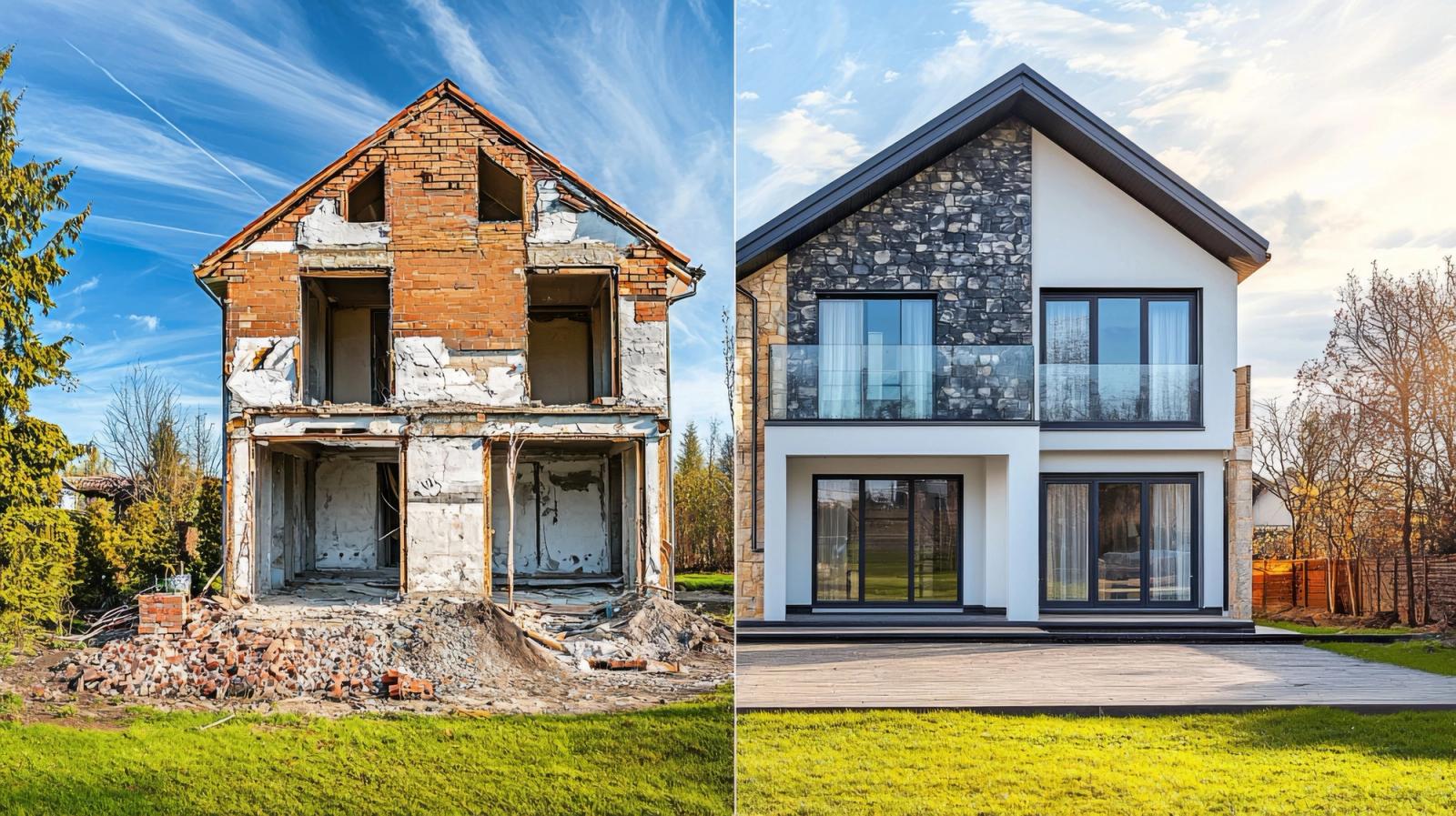
If you've been thinking about flipping a house, one of the first questions on your mind is probably: how long is this actually going to take? The short answer — it depends. But here's the more useful answer: with the right preparation, the right team, and a clear process, a traditional house flip can move from acquisition to closing in a matter of months.
At RFP Homes, we work with investors in the Dallas-Fort Worth market every day, and we've seen firsthand how a well-executed flip timeline comes together — and what causes it to fall apart. Below, we're breaking down every stage of the process so you can plan smarter, budget more accurately, and protect your ROI from the start.
The Big Picture: What's the Total Timeline?
Before we get into the weeds, here's the honest overview: a traditional flip, from deal acquisition to final sale, typically spans several months. The rehab phase alone — on a well-scoped, straightforward project — generally runs around 6 to 8 weeks. After that, your listing timeline will depend heavily on local market conditions and days on market (DOM) in your target neighborhood.
Timelines are subjective. The size of the rehab, contractor availability, permit requirements, and market activity all play a role. What we can control is your preparation at every stage, and that's exactly what this guide is for.
Step 1: Finding the Deal
Timeline: Ongoing — this is where your profit is made or lost
Every successful flip starts with the right acquisition. The deal you buy determines your ceiling. Overpay, and no amount of beautiful tile work will save your margins.
This is one of the biggest advantages of working with RFP Homes. We specialize in off-market single-family properties in the DFW area, meaning you're not competing on the open MLS against dozens of other buyers who've driven up the price. Our off-market inventory is sourced specifically with investor buyers in mind, giving you a realistic path to profit before you ever swing a hammer.
The lesson here: don't rush this step. A great deal with a tight margin is still better than a bad deal dressed up in granite countertops.
Step 2: Analyzing the Deal
Timeline: Days - but don't skip it
Once you've identified a property you want, the analysis phase is where smart investors separate themselves from the rest. This is your due diligence window, and it needs to be thorough.
Key questions to answer before you commit:
- What do the comps say? Pull recent comparable sales in the immediate area and understand what buyers are actually paying, not what you hope they'll pay.
- What are the days on market? If homes in that neighborhood are sitting for 90+ days, that affects your carrying costs and your exit timeline.
- What's your target ARV? The After Repair Value (ARV) is the north star of your entire project.
- Are you going all-in on the ARV, or playing it safe? This question shapes everything downstream.
A proper analysis doesn't take long, but skipping it is one of the most expensive mistakes in real estate investing.
Step 3: Pre-Design and Planning
Timeline: 1–2 weeks
With a signed deal in hand, the planning phase begins — and this is where your exit strategy takes shape.
The core question here is: does the ARV support the renovation you're envisioning? This sounds simple, but it's where a lot of investors get tripped up. They fall in love with high-end cabinetry, designer light fixtures, and premium flooring, and end up over-improving for the neighborhood.
Ask yourself:
- What's the most cost-efficient path to the highest ROI?
- Will buyers in this price point pay a premium for custom finishes, or will mid-grade materials get you to the same ARV?
- Is a full kitchen remodel necessary, or can a cosmetic refresh do the job?
Your goal is to maximize the spread between your all-in cost and your ARV, not to build your dream house. Sometimes the more affordable materials get you there just as effectively, and keep more money in your pocket.
Use this phase to finalize your scope of work, get early contractor bids, pull permits if required, and set a realistic budget with a contingency buffer (typically 10–15% on top of your projected rehab costs).
Step 4: Demo and Rehab
Timeline: ~6 to 8 weeks for a traditional project (varies by scope)
This is the phase most people think of when they picture house flipping, and for good reason. The rehab is where your vision becomes reality, and where the bulk of your capital is deployed.
A straightforward cosmetic flip — new flooring, paint, fixtures, kitchen and bath updates — can move quickly. More extensive projects involving structural work, full gut rehabs, or major system replacements (HVAC, plumbing, electrical) will take longer and require tighter project management.
Finding the right contractor is everything here. A bad contractor relationship is one of the fastest ways to blow your timeline and your budget. This is another area where RFP Homes adds direct value: we have a vetted network of contractors who are experienced with investment properties. You're not starting from scratch on Yelp, you're working with professionals who understand timelines and the importance of staying on budget.
A few tips for managing the rehab phase:
- Set clear milestones and check in regularly
- Address material selections early so you're not waiting on back-ordered items
- Don't let small decisions pile up — make calls quickly to keep momentum
Step 5: Listing and Selling
Timeline: Varies based on market conditions and days on market
Once the work is done and the property is cleaned, staged, and photographed, it's time to list. This is the phase with the most variability in your timeline, because you're now subject to market forces outside your control.
In a strong seller's market with low inventory, properties can go under contract within days. In a slower market, you may sit for weeks — which directly impacts your carrying costs (mortgage, taxes, insurance, utilities) and therefore your net profit.
This is why understanding DOM before you buy is so critical — it's not just a data point, it's a cost projection.
At RFP Homes, we have real estate agents available to our investors at a discounted rate, so you're not giving up a full commission on a property you've already worked hard to improve. Every dollar saved on the back end is a dollar added to your return.
Putting It All Together
The honest truth: no two flips are identical. Timelines shift based on property condition, contractor schedules, permit processing times, and what the market is doing when you list. What stays constant is the importance of preparation at every step.
Ready to Start Your First, or Next, Flip?
At RFP Homes, we don't just sell you a property and wish you luck. We connect investors with off-market opportunities in DFW, a trusted contractor network, and experienced agents — all under one roof.
If you're ready to move on your next investment, reach out to the RFP Homes team today.
Disclaimer: Timelines referenced in this post are general estimates based on typical project conditions in the DFW market and are not guarantees of performance. Actual timelines will vary based on property condition, scope of work, market activity, and other factors.
RFP Homes
Membership is vetted · No cost to join
Start building your investment portfolio today.
See pre-vetted, off-market DFW deals before the market does, with a licensed advisor on your side from underwriting to closing.