
How Much Money Do You Need to Buy an Investment Property in Dallas?
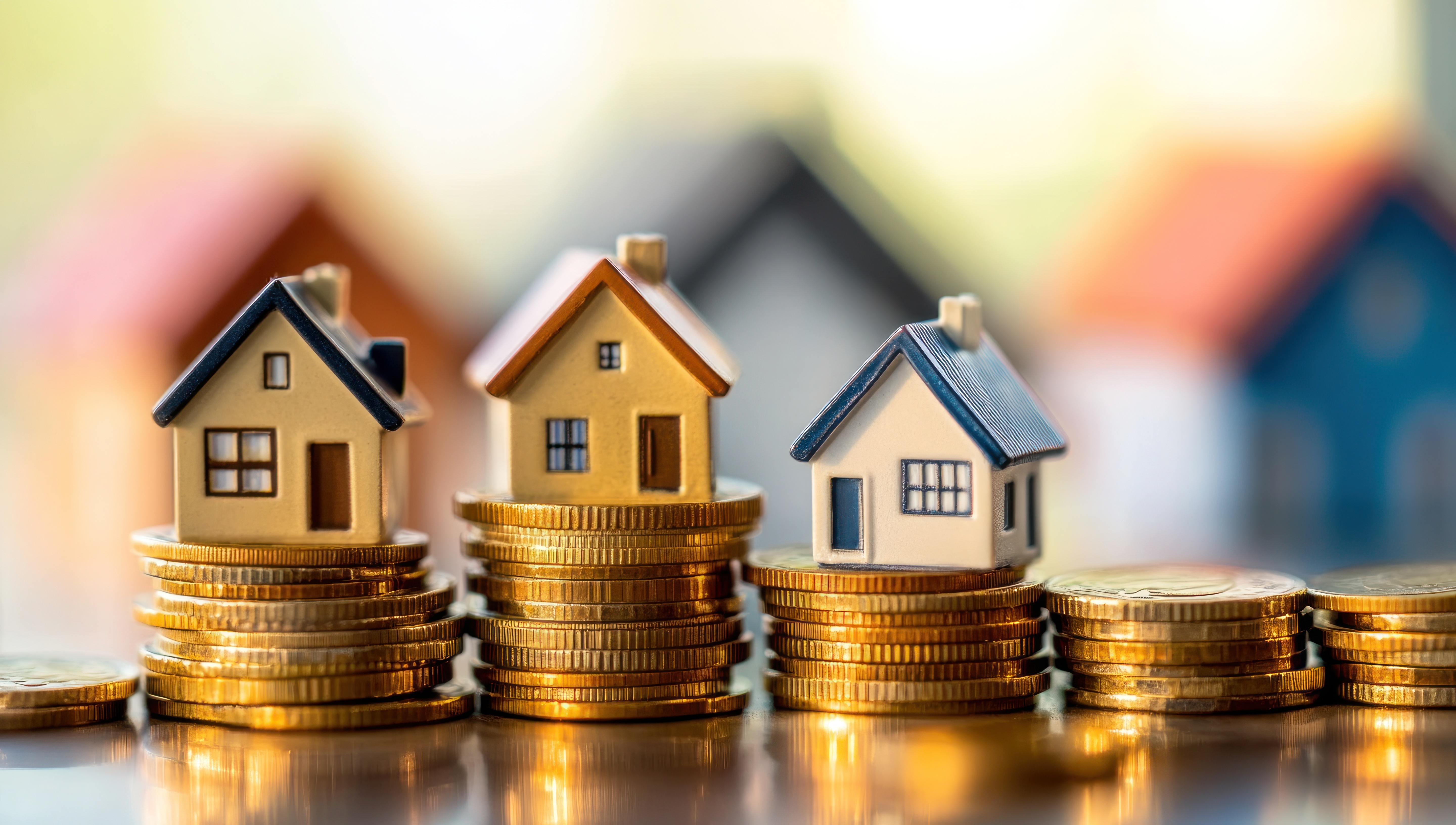
Dallas-Fort Worth's investment property market has transformed dramatically in 2025. With median home prices reaching $385,000 and competition intensifying for quality investment opportunities, understanding your financing options isn't just helpful, it's the difference between watching from the sidelines and building real wealth.
The question "How much money do I actually need?" stops more potential investors than any other factor. The answer depends less on your total capital and more on your strategy: fix-and-flip projects require different funding than BRRRR investments or buy-and-hold rentals. Many investors assume they need $100,000+ in liquid capital and pristine credit. The reality? Strategic financing makes your first Dallas investment property accessible with as little as $40,000-$55,000 total capital.
This guide breaks down exact capital requirements for different investment strategies in the Dallas-Fort Worth market, helping you understand not just how much you need, but how to deploy your capital most effectively for maximum returns.
Capital Requirements by Investment Strategy
Your capital needs vary dramatically based on your investment approach. Understanding these differences helps you choose the right strategy for your current financial position.
Fix-and-Flip Properties
Target holding period: 3-6 months
Typical DFW property price: $165,000-$250,000
Total capital needed: $40,000-$75,000
Best financing: Hard money loans
Exit strategy: Retail sale
Fix-and-flip investments offer the fastest path to building capital. You're buying distressed properties in neighborhoods like Oak Cliff, Pleasant Grove, or South Dallas, renovating quickly, and reselling to retail buyers or other investors within 3-6 months.
BRRRR Method
Target holding period: 6-12 months to refinance
Typical DFW property price: $150,000-$220,000
Total capital needed: $50,000-$85,000
Best financing: Hard money with conventional refinance
Exit strategy: Cash-out refinance, retain as rental
BRRRR (Buy, Rehab, Rent, Refinance, Repeat) lets you recycle capital by refinancing after renovation and tenant placement. This strategy works particularly well in Arlington, Grand Prairie, and Garland where strong rental demand supports quick lease-ups.
Buy-and-Hold Rentals
Target holding period: 5-10+ years
Typical DFW property price: $180,000-$280,000
Total capital needed: $45,000-$85,000 (financed) or $200,000+ (cash)
Best financing: Hard money transitioning to conventional, or cash purchase
Exit strategy: Long-term appreciation and cash flow
Buy-and-hold investors prioritize monthly cash flow and long-term appreciation over quick profits. This strategy builds sustainable wealth through rental income and property value growth over extended holding periods.
Real-World Capital Requirements: Three Dallas Investment Scenarios
Understanding abstract percentages means little without concrete examples. Here's exactly what you need for three common DFW investment scenarios.
Scenario 1: Cosmetic Flip in Oak Cliff
Purchase price: $165,000
Down payment (15% hard money): $24,750
Closing costs: $3,500
Renovation budget: $18,000
Holding costs (4 months): $8,800
Contingency reserve (10%): $4,200
Total capital needed: $59,250
Expected outcome:
After-repair value: $230,000
Sale costs (7%): $16,100
Net proceeds: $213,900
Loan payoff: $140,250
Gross profit: $73,650
Total costs: $59,250
Net profit: $14,400 (24% return on capital in 4 months)
This scenario represents a typical cosmetic renovation—updating flooring, paint, fixtures, and landscaping in an established neighborhood seeing renewed buyer interest.
Scenario 2: BRRRR Project in Grand Prairie
Purchase price: $185,000
Down payment (15% hard money): $27,750
Closing costs: $3,800
Renovation budget: $35,000
Holding costs (6 months): $13,200
Refinance appraisal & costs: $2,500
Contingency reserve (12%): $8,400
Total capital needed: $90,650
Expected outcome:
After-repair value: $260,000
Conventional refinance (75% LTV): $195,000
Hard money loan payoff: $157,250
Capital recovered: $37,750
Remaining invested: $52,900 (generates $650-$850 monthly cash flow)
This BRRRR example shows how you recover roughly 40% of your capital while retaining a cash-flowing rental property. After 2-3 successful BRRRR projects, you've built enough recycled capital to purchase properties without additional funds.
Scenario 3: Cash Purchase Buy-and-Hold in Arlington
Purchase price: $210,000
Closing costs: $3,500
Light renovation: $12,000
Holding costs (2 months): $2,200
Contingency reserve: $2,500
Total capital needed: $230,200
Expected outcome:
Monthly rental income: $1,950
Monthly expenses (taxes, insurance, maintenance, vacancy): $650
Monthly cash flow: $1,300
Annual cash flow: $15,600
Cash-on-cash return: 6.8% (plus appreciation averaging 3-4% annually in DFW)
Cash purchases eliminate loan payments entirely, maximizing monthly cash flow. While requiring more upfront capital, this strategy works well for experienced investors building long-term wealth through rental income and appreciation.
Breaking Down Investment Property Costs
Understanding where your money goes helps you budget accurately and avoid undercapitalization—a common mistake that derails new investors.
Down Payment Requirements
Hard Money Loans require 10-20% down payment based on property condition and your experience level. First-time investors typically need 15-20% down, while experienced investors with proven track records qualify for 10-15% down.
For a $200,000 property in Irving or Mesquite:
- 10% down = $20,000
- 15% down = $30,000
- 20% down = $40,000
Hard money lenders focus on the property's value and your renovation plan rather than your credit score or W-2 income. Interest rates run 9-14% annually with 1-2 points (1-2% of loan amount) paid at closing.
Cash Purchases require 100% of the purchase price but offer decisive advantages: fastest closings (7-10 days in Dallas), no loan contingencies, lower closing costs, and no monthly interest payments during renovations.
Closing Costs
Hard Money Loan Closing Costs (2-4% of purchase price)
For a $200,000 Dallas investment property:
- Lender points: $2,000-$4,000 (1-2% of loan amount)
- Title insurance: $1,500-$2,000
- Closing/escrow fees: $500-$1,500
- Recording fees: $200-$300
- Property inspection: $400-$600
- Total: $4,600-$8,400
Cash Purchase Closing Costs (1-2% of purchase price)
Cash buyers eliminate lender fees:
- Title insurance: $1,500-$2,000
- Closing/escrow fees: $500-$1,500
- Recording fees: $200-$300
- Property inspection: $400-$600
- Total: $2,600-$4,400
Renovation Budgets by Scope
Renovation costs vary dramatically based on property condition and your target market.
Light Cosmetic Renovations: $10,000-$25,000
- Fresh paint throughout
- New flooring (carpet, vinyl plank)
- Updated light fixtures and hardware
- Minor kitchen updates (hardware, backsplash)
- Minor bathroom improvements (fixtures, vanity)
- Landscaping and curb appeal
These renovations work well for properties in decent condition targeting first-time homebuyers or quality tenants.
Medium Renovations: $25,000-$50,000
- Complete kitchen remodel (cabinets, countertops, appliances)
- Full bathroom renovations (2 bathrooms)
- HVAC system replacement
- Roof repairs or replacement
- Electrical panel upgrades
- Plumbing updates
Medium renovations transform dated properties into move-in ready homes commanding premium prices or rents.
Heavy Renovations: $50,000-$100,000+
- Structural repairs and foundation work
- Complete systems replacement (HVAC, electrical, plumbing)
- Extensive layout modifications
- High-end finishes throughout
- Major exterior improvements
Heavy renovations suit experienced investors with adequate capital reserves and strong contractor relationships. These projects carry higher risk but offer substantial profit potential when executed properly.
Holding Costs During Renovation
Budget for monthly expenses while the property generates no income. These costs accumulate quickly and catching new investors off-guard.
Monthly Holding Costs with Hard Money Financing:
- Hard money interest: $1,500-$2,300 (on $200,000 at 9-14%)
- Property taxes: $350-$550 (varies by DFW location)
- Insurance: $150-$250
- Utilities: $200-$300
- HOA fees (if applicable): $0-$150
- Total monthly: $2,200-$3,550
For a typical 4-month renovation: $8,800-$14,200 in holding costs
Monthly Holding Costs with Cash Purchase:
- Property taxes: $350-$550
- Insurance: $150-$250
- Utilities: $200-$300
- HOA fees (if applicable): $0-$150
- Total monthly: $700-$1,250
For a 3-month renovation: $2,100-$3,750 in holding costs
Cash buyers save $1,500-$2,300 monthly by avoiding hard money interest, but this must be weighed against the opportunity cost of deployed capital and slower portfolio growth.
Critical Reserve Requirements
Always maintain reserves beyond your calculated budget. Unexpected issues arise on virtually every investment property.
Minimum reserve recommendations:
- First-time investors: 15-20% of total project cost
- Experienced investors: 10-15% of total project cost
- Properties built pre-1980: Add 5% for unknown issues
For a $60,000 total project (purchase, renovation, holding costs), maintain $9,000-$12,000 in additional reserves. This buffer prevents forced selling or project delays when you discover foundation issues, outdated electrical systems, or permitting complications.
Strategic Financing Decisions: Hard Money vs Cash
The right financing choice depends on your investment timeline, capital position, and portfolio strategy—not just what you can afford.
Use Hard Money Financing When:
Building Portfolio Velocity
Hard money lets you control 3-5 properties with the same capital required for one cash purchase. Instead of buying one $200,000 property with cash, you could acquire three properties with $30,000-$40,000 down on each, multiplying your market exposure and learning opportunities.
Speed Wins Competitive Deals
In high-demand DFW neighborhoods, properties receive 5-10 offers within 72 hours. Hard money closes in 7-14 days versus 30-45 days for conventional financing, providing a decisive competitive advantage.
Properties Need Immediate Renovation
Properties requiring $30,000+ in renovations rarely qualify for conventional financing until work completes. Hard money funds both purchase and renovation simultaneously, letting you control the property and start work immediately.
Short-Term Hold Strategy
Fix-and-flip projects with 3-6 month timelines pay hard money interest only during the flip duration. The higher interest rate costs less over 4 months than the opportunity cost of tying up full purchase capital.
Use Cash Purchases When:
Maximizing Monthly Cash Flow
Buy-and-hold investors targeting $800-$1,200 monthly cash flow benefit from eliminating loan payments entirely. Without a $1,200-$1,500 monthly mortgage payment, your cash-on-cash returns increase by 5-7% annually.
Off-Market Opportunities Arise
Direct-to-seller deals and estate sales often require cash to close quickly. Properties purchased 15-20% below market value compensate for the opportunity cost of deployed capital.
Building Long-Term Wealth
Cash purchases create immediate equity and position you for maximum appreciation over 10-20 year holds. Many experienced investors transition from leveraged strategies to cash purchases as their portfolios mature.
The Hybrid Approach: BRRRR Strategy
Many successful Dallas investors use hard money for initial purchase and renovation, then refinance into conventional financing at 70-75% loan-to-value. This approach recovers 60-80% of invested capital while retaining the property for long-term cash flow and appreciation.
Starting with Limited Capital
If you're starting with $40,000-$60,000, focus on strategies that maximize capital efficiency while building experience.
Target lighter renovation projects initially. Properties requiring $10,000-$20,000 in cosmetic updates need less total capital and offer faster learning cycles. Build experience with 2-3 smaller projects before tackling major renovations.
Establish hard money relationships early. Pre-approved financing lets you move decisively on good deals. Many lenders offer better terms—lower points, reduced interest rates—as you successfully complete projects and build track records.
Focus on neighborhoods with strong fundamentals. Target areas with solid rental demand, improving infrastructure, and steady appreciation. Properties in Grand Prairie, Mesquite, and parts of South Dallas offer attractive entry prices with strong rental demand.
Reinvest profits aggressively in year one. After your first successful project, reinvest 75-90% of profits into the next deal. Each successful project compounds your capital base and accelerates portfolio growth.
Start Building Your Dallas Investment Portfolio
Understanding your capital requirements transforms real estate investing from an intimidating concept into an actionable plan. Whether you're starting with $50,000 for a hard money-financed flip or deploying $250,000 across multiple properties, you now have a clear framework for determining how much capital you need and how to deploy it strategically.
The Dallas-Fort Worth market's fundamentals remain strong in 2025—population growth exceeding 100,000 annually, job creation outpacing housing construction, and rental demand creating opportunities across all price points. These conditions favor investors who understand financing strategies and can move decisively when opportunities arise.
RFP Homes provides Dallas-Fort Worth investors with exclusive access to pre-vetted investment properties alongside the financing connections and market intelligence needed to execute your strategy. Our investor advisors work with investors at every capital level—from first-time buyers deploying $50,000 to experienced operators managing seven-figure portfolios—helping you navigate hard money relationships, evaluate deals accurately, and build sustainable wealth through real estate.
Ready to explore investment opportunities matched to your capital and strategy? Access our curated marketplace of exclusive Dallas-Fort Worth properties and connect with advisors who understand the financing landscape and can help you take your first step toward building real wealth through real estate investing.
Related Posts
%20(1).jpeg)
First-Time Real Estate Investor Checklist: What You Need Before Buying in DFW

Foundation Types & Issues: What Real Estate Investors Need to Know
.jpeg)