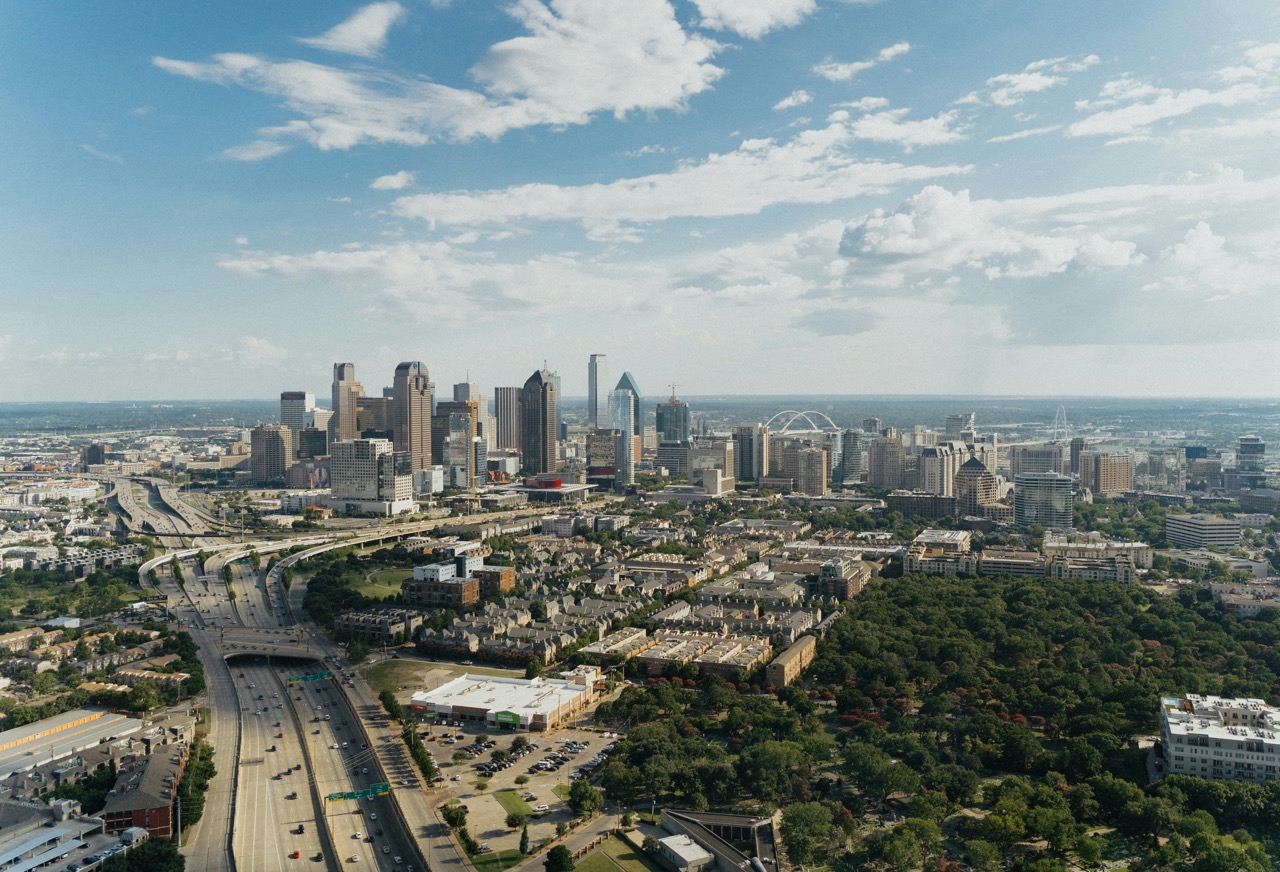
Why Rising Rents Are Creating Real Estate Opportunities for Investors

The data is hard to ignore right now. Mortgage rates are still hovering around 7%, home prices remain historically elevated, and according to research highlighted by Barron's, 35% of consumers now prefer renting over owning. At the same time, apartment completions have dropped 28% since last summer, supply is contracting exactly when demand is accelerating.
For buy-and-hold investors in the Dallas-Fort Worth market, this is the environment you've been waiting for.
Why Rents Are Climbing and Why That's Not Slowing Down
Three forces are converging right now, and they're all pointing in the same direction for rental investors:
1. Homeownership is priced out for a growing share of buyers. At 7% mortgage rates, the monthly payment on a median-priced home has become out of reach for a significant portion of would-be buyers. Many of those people aren't disappearing from the market, they're moving into rentals. That's your tenant pool, and it's growing.
2. New supply isn't keeping up. Developers pulled back hard. Higher construction costs and tighter lending standards slowed new apartment development significantly. Fewer units coming to market means existing rental inventory absorbs more demand and that's direct upward pressure on rents.
3. Demographic demand isn't letting up. Millennials and Gen Z are forming new households at pace. In high-growth metros like DFW, where in-migration remains strong and employment is diversified, that demand is compounding. These aren't renters-by-circumstance, many are renters-by-choice, and they're competing for the same limited inventory.
The result: rents are climbing at 5–10% annually in many markets. For a landlord, that's not just income growth, it's equity growth.
What This Means for Your Investment Strategy
You don't need to manage a 200-unit apartment complex to benefit from these conditions. Single-family rental properties in the right DFW submarkets are well-positioned to capture exactly this demand, and that's where RFP Homes operates.
Here's how to think about positioning:
Prioritize cash flow from day one. With borrowing costs still elevated, your deal needs to underwrite at today's rates, not rates you're hoping for. A property that cash flows at 7% is a real asset. One that only works at 5% is a gamble. Generally speaking, a property that meets the 1% rule is the best asset to invest in.
Know your submarket. National rent trends are context. Local fundamentals are the decision. In DFW, neighborhoods with tight inventory, strong school districts, and proximity to employment corridors are seeing the most durable rent growth. Run your numbers with real comps, not headlines.
Think about the tenant profile your property attracts. A well-maintained, move-in ready single-family home in a strong DFW neighborhood — close to work, good schools, and everything the market has to offer — draws quality, long-term tenants. And that directly impacts what you can charge. Your acquisition price and rehab scope set your rent ceiling from day one.
Structure your financing for the long hold. DSCR loans and portfolio products are built for rental investors, they underwrite the property's income, not just your W-2. If you're building a buy-and-hold portfolio, make sure your financing reflects that strategy.
The RFP Homes Angle
We work exclusively in the DFW single-family market, and the inventory we bring to investors is off-market by design. That matters right now for one simple reason: off-market deals give you a realistic path to margin before the market ever touches the price.
When you're buying to hold, the acquisition price sets your cap rate and your long-term return. Paying retail on the MLS in a high-demand submarket compresses your yield before you've signed the closing docs. Our off-market properties are sourced specifically for investors who need the numbers to work!
And if a buy-and-hold property needs work before it's rent-ready, our vetted contractor network can get it there without the timeline and budget surprises that eat into returns.
The Window Is Open, But It Rewards Preparation
Rising rents can offset higher borrowing costs. That's the opportunity in front of investors today. But it doesn't reward passive observation, it rewards investors who know their market, run tight underwriting and act on the right deal when it surfaces.
If you're evaluating your next DFW investment, the fundamentals are on your side. The question is whether your deal, your financing, and your execution are lined up to take advantage of them.
Ready to look at what's available? Connect with the RFP Homes team and let's talk through what's in our current off-market inventory.
Data referenced from Barron's and publicly available market reports. Market conditions are subject to change. This content is for informational purposes and does not constitute financial or investment advice.
Related Posts
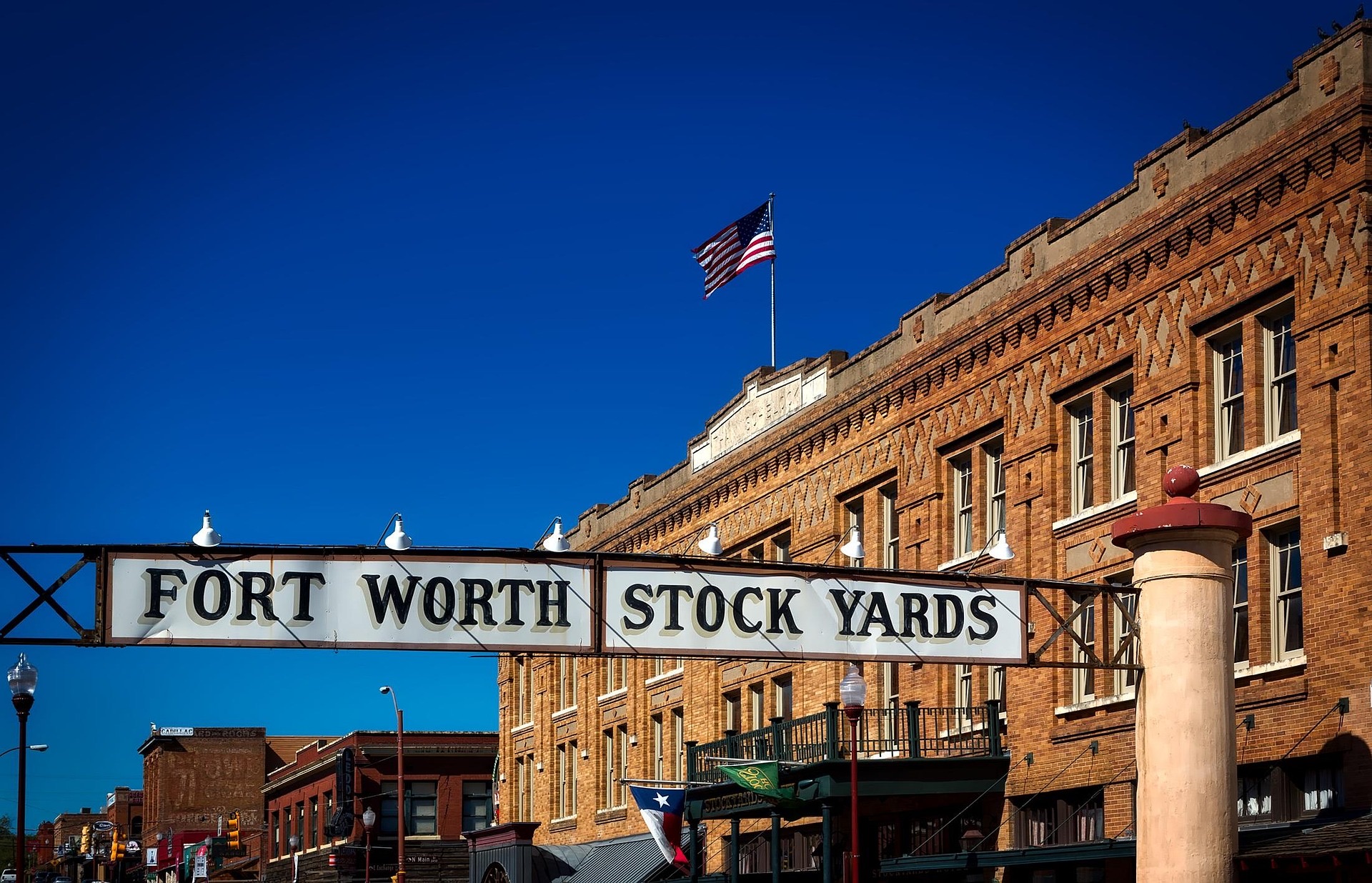
Top 5 Fort Worth Zip Codes for Real Estate Investors: Best Investment Areas Under $350K in 2025

Top 5 Dallas Zip Codes for Real Estate Investors: Best Investment Areas Under $400K in 2025