REI StrategiesHow Long Does It Take to Flip a House? A Step-by-Step Timeline for Investors
5-minute read | Real Estate Investing | House Flipping Guide
·
Discover the top real estate investing strategies for 2026 in DFW. Build wealth through rentals, fix-and-flips, and smart market moves.

RFP Homes

It's 2026, and the real estate market is showing signs of getting better for investors. Big corporations are no longer allowed to buy real estate, which means better deals for individual investors. After a few tough years, things are starting to feel more normal. This could be the chance for regular folks to get into real estate investing. Prices are leveling out, and mortgage rates are dropping a bit. This means there are more chances to find good deals. We're going to look at some smart ways to invest in real estate, whether you're just starting out or have a bit more money to put in. The market changes, but real estate can still be a solid way to build real wealth.
The real estate market in 2026 is showing signs of settling down after a period of rapid change. It feels like we've turned a corner, moving away from the frenzy of recent years. This shift means things are becoming more predictable, which is actually good news for investors. While the sky-high appreciation might not be as common, this more stable environment brings its own set of advantages. Deals are moving quicker in the buying process and selling quicker when listen on the market, which is a win-win for everyone involved in the transaction. Mortgage rates are also showing a tendency to decrease, making financing more accessible.
It's important to adjust our outlook for 2026. Instead of chasing quick wins, the focus is shifting towards steady, long-term wealth building. This means looking for properties that offer consistent cash flow and potential for gradual appreciation. The market is presenting opportunities for those who are patient and strategic, rather than those looking for overnight success. Think of it as a marathon, not a sprint.
Real estate continues to be a solid choice for growing your money. It's a tangible asset that can provide income and appreciate over time. Even with economic shifts, the basic need for housing remains, creating a consistent demand. This makes real estate a reliable component of a diversified investment plan, offering a way to build lasting wealth.
The current market conditions in 2026 are creating a more balanced environment for buyers and investors. This period of stabilization, while perhaps less exciting than rapid growth, presents a prime opportunity for strategic acquisition and long-term wealth accumulation. Patience and informed decision-making are key.
Here's a look at what's improving for investors:
Alright, so you're looking to make some real money in real estate by 2026. That's smart. The market's been a bit wild, but things are settling down, and that's actually good news for investors who know what they're doing. It means there are more opportunities to get in without paying top dollar. Let's talk about some solid ways to approach this.
This is a classic for a reason. Owning single-family rental properties can give you a steady stream of income month after month. Think of it like a built-in paycheck from your property. While it does take some money to get started, the long-term payoff can be huge. Especially in areas where people are moving for jobs or just looking for a good place to live, rental demand stays strong. It's not just about collecting rent, though; it's about managing the property well and keeping your tenants happy so they stay longer. This strategy is a cornerstone for building wealth over time.
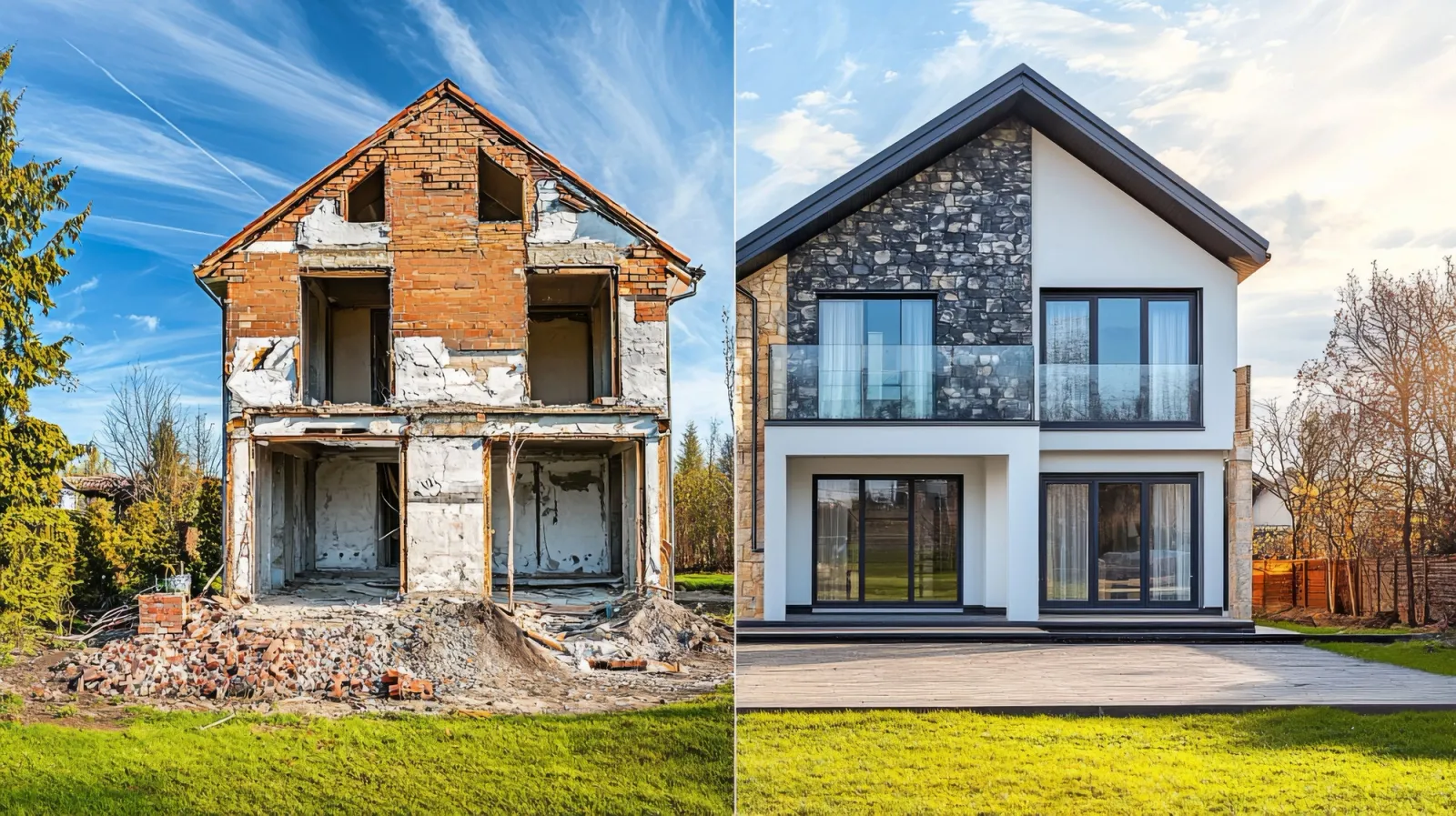
Sometimes, the best deals aren't the ones that look perfect from the start. Value-add investing is all about finding properties that have potential but need some work. You buy it for a lower price, hire contractors to fix it up, and then you can either rent it out for more money or sell it for a profit. It takes a bit more effort and know-how, but the returns can be significantly higher than just buying a move-in-ready place. Think about updating kitchens, bathrooms, or improving the curb appeal – small changes can make a big difference in what a property is worth. This is where you can really make your money work for you.
RFP Homes specializes in single-family investment homes, focusing on fix-and-flips or rental properties. We thrive in a seller's market because it allows for quicker sales and more efficient transactions. Our strategy is centered on acquiring and improving single-family residences to maximize returns for our investors.
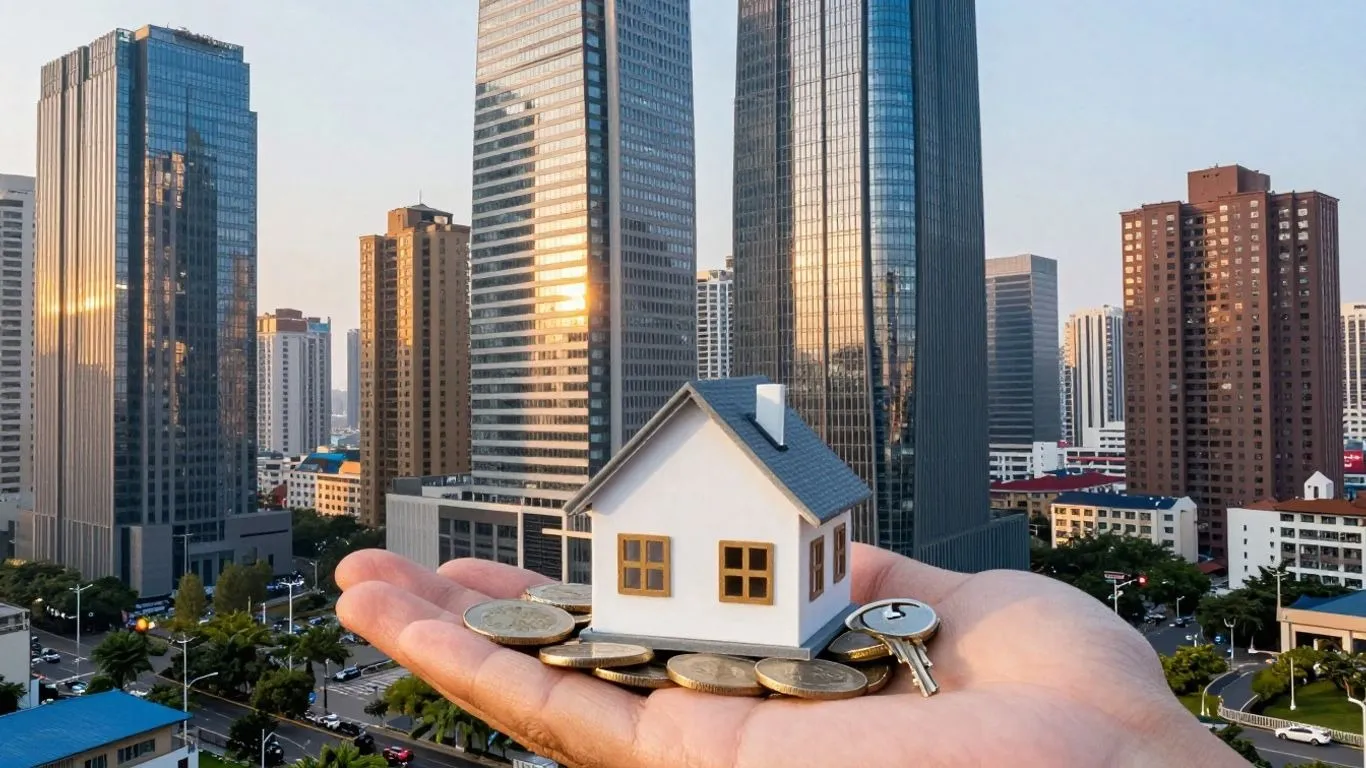
So, you've heard about the power of real estate for wealth building with real estate, and maybe you're already thinking about buying a rental property. That's a great start! But just like you wouldn't put all your eggs in one basket, it's smart to spread your real estate investments around too. This way, you're not overly exposed if one particular type of property or market takes a hit. It's all about building a more stable path to passive income through rental properties and overall financial growth. This is a fantastic way to build a diversified portfolio that can weather different economic conditions and provide multiple streams of income. By spreading your investments across various property types and locations, you reduce risk and increase your chances of consistent returns. It's about creating a resilient investment strategy that works for you.
Diversification in real estate isn't just about owning different types of properties; it's also about using different investment vehicles. Combining direct ownership of properties, stocks and bonds can create a robust portfolio that balances income, growth, and liquidity.
One of the most straightforward ways to get into real estate investing is by identifying areas where property values tend to go up on their own. This is called appreciation, and it happens for a bunch of reasons like more people moving into an area, better schools, or new businesses opening up. It’s like planting a tree; you don’t have to do much, and it grows over time. This natural growth is a powerful way to build wealth without constant effort. For example, if you buy a house for $300,000 and it goes up by 3% in a year, that's $9,000 in value gain. That's a pretty good return on your initial investment, especially before you even think about rent.
Right now, in 2026, the market is shifting. It’s not the crazy seller’s market of a few years ago. This means buyers have more power, and you can actually negotiate prices. This is a big deal for finding profitable real estate deals. Instead of just accepting the asking price, you can work with sellers to get a better deal. This is especially true for single family investment homes where you might find motivated sellers. It’s a good time to look for properties where you can get a good price upfront, which makes your overall investment much stronger. Remember, buying smart is just as important as managing well.
This is where things get really interesting for investors looking for a bit more hands-on involvement. Finding undervalued single-family homes, often called fixer-uppers, can be one of the best ways to invest in property. These are homes that need some work, but their potential is high. You buy them for less, put in some sweat equity or hire contractors, and then sell or rent them out for a profit. It’s a classic investment property strategy for beginners who are willing to learn and put in the work. For instance, areas like Real estate investing in Dallas Texas are seeing a lot of this activity, with older homes being updated to meet current demand. It’s a great way to add value and see a significant return on your investment. You can find these deals by looking at foreclosures, talking to local real estate agents, or even driving around neighborhoods looking for homes that seem neglected.
Here are some tips for finding these gems:
Finding good deals often requires patience and a good network. You might want to connect with local real estate professionals who understand the market dynamics. For example, exploring opportunities in Real estate investing in Dallas Texas can be a smart move, as this region often presents a mix of appreciation potential and fixer-upper possibilities.
It's smart to think about how your personal financial situation lines up with different real estate investment approaches. Not every strategy fits every person, and that's totally okay. The market in 2026 offers a lot, but you need to pick what makes sense for your wallet and your comfort level. Your investment strategy should be a reflection of your current financial standing and your long-term aspirations.
If you're just starting out or don't have a huge pile of cash to put down, don't worry. There are still ways to get into real estate. Think about strategies that require less upfront money. This might mean looking for single-family homes that need a bit of work but are priced lower, or perhaps exploring options hard money lending. It’s about being creative and finding those entry points.
When you have limited capital, the focus shifts from large-scale acquisitions to smart, smaller steps. It's about building equity and experience gradually.
Got a bit more cash to play with? This opens up more doors. You might be able to consider purchasing a single-family home or a small multi-family property to rent out. This is where you can start seeing more consistent cash flow. Value-add strategies, like minor renovations to increase rent, become more viable. You have the capital to make improvements that boost property value and rental income. Understanding various financing options is key here, as you might explore different types of loans to secure profitable deals.
Real estate is a solid way to build real wealth, but like anything worthwhile, it's not just about picking a property and hoping for the best. There are a few big things you really need to keep in mind to make sure you're setting yourself up for success, not just a headache. It’s about being smart and prepared.
Interest rates are a pretty big deal in real estate. They directly affect how much a mortgage will cost you, which in turn impacts your monthly payments and overall profitability. Right now, in 2026, we're seeing a market where rates have stabilized somewhat, but they still play a significant role. Lower rates generally make borrowing cheaper, which can boost demand and property values. Conversely, higher rates can cool things down. It’s important to stay informed about what the Federal Reserve is doing and how that might influence mortgage costs. This can help you time your purchases or refinancing efforts more effectively. For instance, if you're looking at a property that costs $300,000 and you put down 20%, a 1% difference in interest rate can mean hundreds of dollars more or less each month. It really adds up over the life of a loan.
This is a big one for property values and rental income. Basically, if there aren't enough homes for people who want to live somewhere, prices tend to go up, and it's easier to find renters. We're seeing a noticeable housing supply shortage in many areas in DFW. Reports suggest that major developed economies are short millions of homes. This imbalance is generally good news for property owners because it means demand is strong. It can lead to better rental rates and a higher chance of your property appreciating in value. When you're looking for investment opportunities, think about areas where this imbalance is most pronounced. These are often growing cities or places with limited space for new construction.
This might sound obvious, but you'd be surprised how many people skip this step. You can't just guess your way to real estate riches. You need to know your market inside and out. What are rents like? What are property values doing? Who are the renters? What are the local job prospects? Having this kind of information helps you make better decisions. It also means having realistic expectations. The market has its ups and downs, and while real estate can be a fantastic wealth-building tool, it's not a get-rich-quick scheme. It takes time, patience, and smart moves. Remember, real estate stands out as a premier investment for building generational wealth due to its durability and income-generating potential [d3d].
Here are a few things to keep in mind:
Have an Exit Strategy: Know how you plan to make money – is it through long-term rentals, flipping, or something else? What will you do if the market shifts?
Investing in real estate requires diligence. It's about more than just buying a property; it's about managing it, understanding market trends, and planning for the future. Being prepared with knowledge and a clear strategy is half the battle won.
As we wrap up our look at real estate investing in 2026, it's clear that opportunities are definitely back on the table, especially in vibrant areas like Dallas-Fort Worth. While the market has seen its ups and downs, things are really improving for those ready to jump in. Whether you're thinking about buying rental properties for steady income, or even considering flipping, there are solid strategies out there. The key is to pick what fits your own situation, your budget, and how much time you have. Don't get caught up in chasing those past market highs; focus on realistic goals and smart moves. By staying informed and being a bit flexible, you can absolutely make real estate work for you and build some serious wealth over time. It's a good time to get started.
Yes, absolutely! Even though things change, real estate is still a solid way to build your money. It's like planting a tree that grows over time. Plus, with a bit of smart planning, you can find great deals, especially in places like Dallas-Fort Worth.
For beginners, looking into single-family rental properties can be a good start. You buy a place and rent it out to others, which can bring in money every month.
Value-add means buying a single-family home that might look a bit run-down or isn't as nice as it could be. You then fix it up, make improvements, or add features. This makes the property worth more money, so you can either sell it for a profit or charge higher rent.
It's smart to be aware, but the market is actually getting more balanced. This means buyers have more say, and you might find better prices. Instead of expecting super-fast growth, focus on steady gains and smart choices. Areas with growing populations, like Dallas-Fort Worth, often see good, steady growth.
RFP Homes
5-minute read | Real Estate Investing | House Flipping Guide
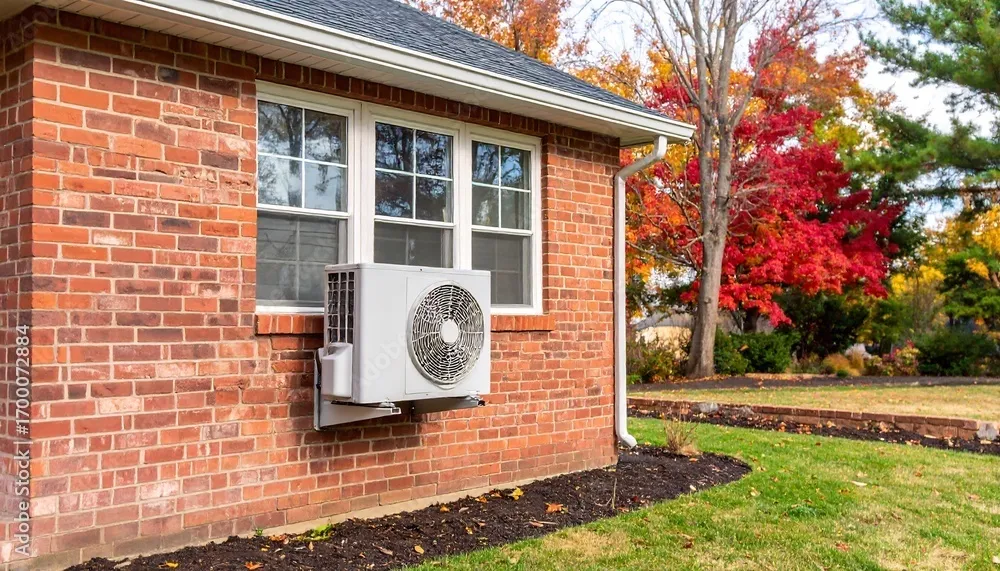
Make smarter HVAC decisions for your DFW investment properties. Compare system types, costs, and ROI by investment strategy in this 2025 guide.

Discover proven strategies to find profitable abandoned homes for sale. Learn sourcing techniques, legal considerations, and investment analysis.
Membership is vetted · No cost to join
See pre-vetted, off-market DFW deals before the market does, with a licensed advisor on your side from underwriting to closing.